People

Faculty

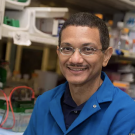
Aldrin Gomes

  • Professor
  • Department of Neurobiology, Physiology, and Behavior
  • College of Biological Sciences
  • Department of Physiology and Membrane Biology
  • School of Medicine
Impaired protein degradation is associated with many cardiac and skeletal muscle diseases. Our laboratory is interested in investigating the signaling pathways involved in proteostasis (protein homeostasis) in cardiac and skeletal muscle diseases. Our laboratory is also interested in the side effects of commonly used drugs, such as ibuprofen, on the heart and other tissues.

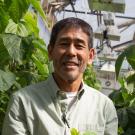
John Harada

  • Professor
  • Department of Plant Biology
  • College of Biological Sciences
Genomic, molecular, genetic, and biochemical, dissection of embryogenesis and seed development in plants.

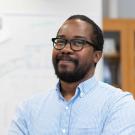
Wilsaan Joiner

  • Associate Professor
  • Department of Neurobiology, Physiology and Behavior
  • College of Biological Sciences
  • Department of Neurology
  • School of Medicine
Wil Joiner studies how people use different sources of information to aid behavior, ranging from visual perception to movement planning and updating. Specifically, he studies in how external and internally-generated sensory information is integrated in healthy individuals, in comparison to certain disease and impaired populations (e.g., Schizophrenia and upper extremity amputees). Achieving this understanding may lead to better methods for diagnosing and treating impairments of the nervous system.

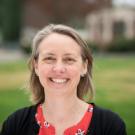
Celina Juliano

  • Associate Professor
  • Department of Molecular and Cellular Biology
  • College of Biological Sciences
Celina Juliano studies the molecular mechanisms that allow the freshwater cnidarian Hydra vulgaris to have “immortal” stem cells. Her research can provide insight into regenerative biology and aging in vertebrates and other organisms.

Ian Korf

  • Professor
  • Department of Molecular and Cellular Biology
  • College of Biological Sciences
Ian Korf develops bioinformatics solutions to help tackle problems - both large and small - in the fast-moving field of genomics. Much of the research in his lab builds on collaborations with others, both at UC Davis and also further afield. The diverse nature of these activities can often make it seem like that there is very little in common between the different research projects. However, the one thing that unites all of the work is our desire to produce tools and to provide analyses that help make sense of DNA and protein sequences, and which help turn those sequences into stories.

Anna La Torre Vila

  • Associate Professor
  • Department of Cell Biology and Human Anatomy -- School of Medicine
Anna LaTorre seeks to decipher the cellular and molecular mechanisms that underlie neuronal progenitor competence and differentiation using a combination of retina cell lines, transgenic mouse models and biochemical approaches. Current projects include examining the role of microRNAs in the dynamic regulation of progenitor competence during retinal histogenesis, mechanisms of cone photoreceptor fate determination, and early eye field formation in development.

Janine LaSalle

  • Professor
  • Department of Medical Microbiology and Immunology
  • School of Medicine
Janine LaSalle is interested in the role epigenetics in human autism-spectrum disorders. Epigenetics is the study of heritable changes in chromosomes that are not encoded in the DNA sequence, including DNA methylation and chromatin organization. The clinical applications of the research includes understanding the pathogenesis of the neurodevelopmental disorders autism, Rett syndrome, Prader-Willi syndrome, Dup15q, and Angelman syndrome. Her lab uses mouse models and samples from individuals with autism spectrum disorders to investigate the epigenetic mark of DNA methylation genome-wide using high-throughput sequencing and bioinformatic approaches. 

Angelique Louie

  • Professor
  • Department of Biomedical Engineering
  • College of Engineering
Angelique Louie focuses on the application of engineering and physical sciences imaging principles to improve the diagnosis and management of human disease. The unifying theme of her research is the application of imaging techniques and the design of contrast agents to characterize molecular phenomena in diseased versus normal states.

Richard McKenney

  • Assistant Professor
  • Department of Molecular and Cellular Biology
  • College of Biological Sciences
Richard McKenney is interested in the fascinating world of molecular movement. His lab studies how cells internally organize using molecular motor proteins. In particular, they focus on the microtubule cytoskeleton and the motor proteins that use this filament system for transport (kinesins and dyneins). They are interested in allosteric regulation of motor protein movement, how motor activity is balanced and coordinated, and how dysfunction in motor activity leads to human diseases such as cancer and neurodegeneration. The lab combines advanced molecular biology, biochemistry and single-molecule TIRF microscopy to address these problems

Benjamin Montpetit

  • Professor
  • Department of Viticulture and Enology
  • College of Agriculture and Environmental Sciences
Benjamin Montpetit studies nuclear RNA export with the goal of describing how components of the nuclear pore complex (NPC) direct and regulate mRNA and viral RNA transport at a cellular, molecular and atomic level. Ultimately, this will allow us to better understand the interplay between nuclear RNA export, gene expression, and human biology.